
Who We Are
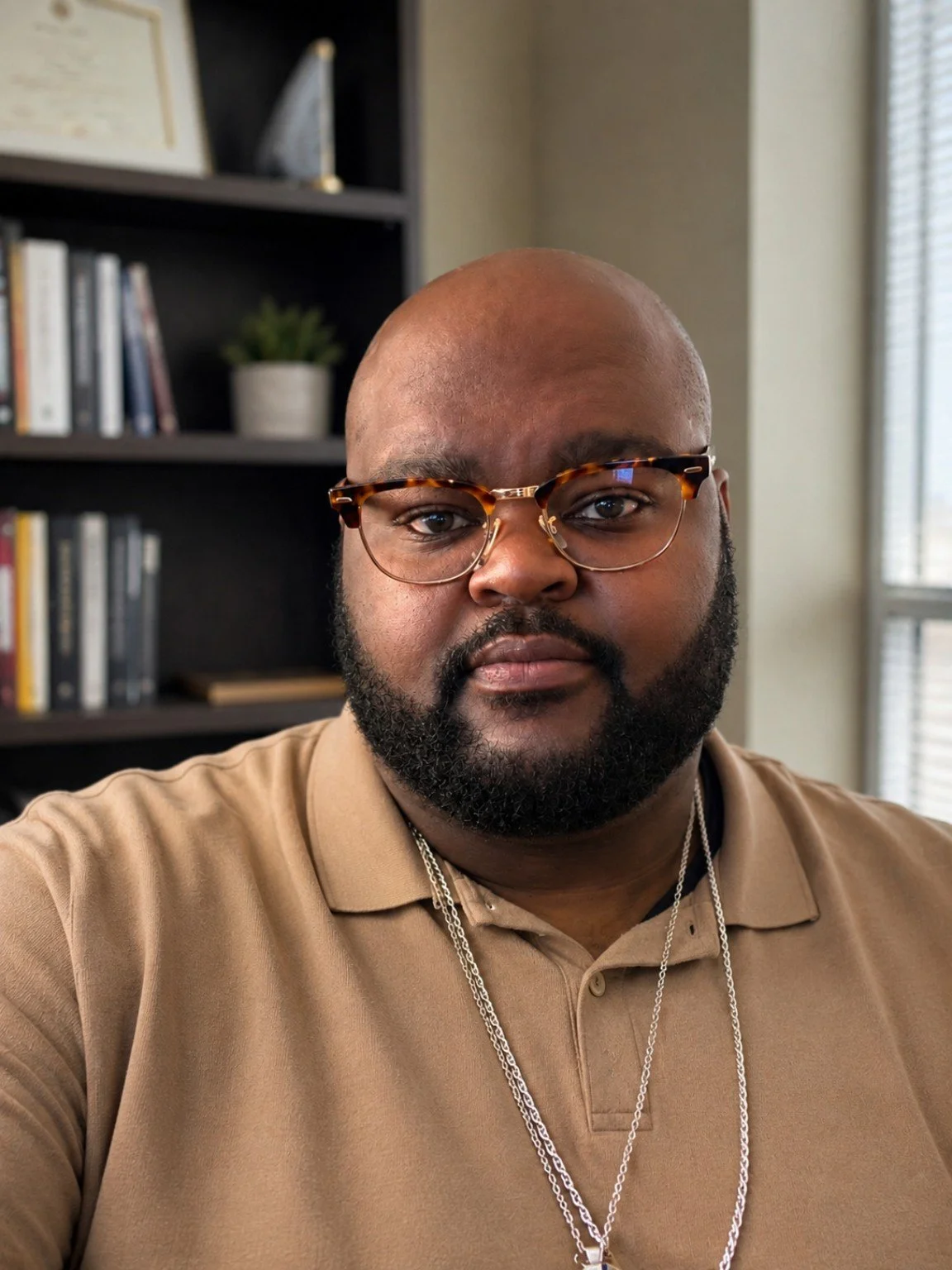
Re’Quavas Wray
Founder, LCMHC-A
A lot of Black boys and young men learn early to keep things to themselves, stay strong, and handle whatever comes their way. Sometimes that works for a while, but eventually it can start to show up as anger, shutting down, anxiety, depression, or feeling disconnected from yourself and the people around you.
I work with Black teens and young men who are dealing with grief, intergenerational trauma, racial trauma, religious trauma, family issues, identity, and major life transitions. Sometimes the biggest part of therapy is simply figuring out where certain patterns came from and why they still have such a strong hold on you.
You may be trying to make sense of things that happened in your family, experiences you had growing up, your relationship with faith, or what it means to be a Black man in the world. You may also be in a season where you are trying to figure out who you are, what you want, and what kind of man you want to become.
My approach is pretty straightforward. I am going to listen, but I am also going to talk with you, challenge you when needed, and help you notice patterns that may be getting in the way.
You do not have to come into therapy knowing exactly what to say. We can start with school, work, family, relationships, sports, stress, or whatever has been on your mind and build from there.
The goal is to help you understand yourself better, handle life in healthier ways, and make decisions that line up with the person you are trying to become.
Healing, like water, always finds a path.

Madeline Wray
Co-Founder, LCMHC-A
I specialize in working with women ages 15–55, particularly those who are late-diagnosed or questioning neurodivergence and those healing from chronic childhood trauma and dysfunctional family dynamics.
Many of my clients have spent years wondering why life seems harder than it does for everyone else. They often arrive exhausted from masking, people-pleasing, perfectionism, anxiety, or living in survival mode after years of walking on eggshells or hiding who they are just to feel safe.
Whether you're learning to understand your nervous system for the first time or beginning to make sense of how your past has shaped your present, therapy is a place to build self-understanding, emotional regulation, and a stronger sense of identity. My approach is gentle, collaborative, and creative because healing doesn't always happen through words alone.
My hope is that therapy becomes a place where you no longer have to survive by becoming someone else, but can finally begin discovering who you've been underneath it all. After all, healing isn't about becoming a different person. It's about finally feeling safe enough to be yourself.